Before You Renew: A One-Day Portability Rehearsal for Platform and Data Vendors
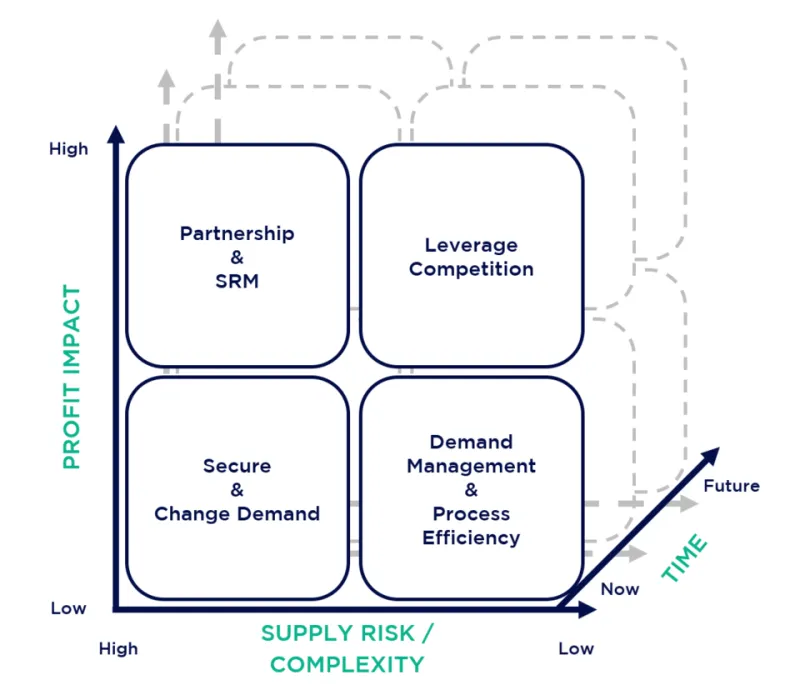
Photo: OCM Management Consultants, CC BY-SA 4.0, via Wikimedia Commons
Renewal is a poor time to test an exit
Most organisations test their ability to leave a data vendor at the worst possible moment: after notice has been served, during a renewal negotiation or in the middle of a migration. The contract may contain exit rights, but no one has walked through them. Egress costs are estimated rather than measured. Schema exports are assumed to be complete. The knowledge held by one engineer about a set of undocumented pipelines is not written down anywhere.
A one-day tabletop rehearsal changes that. It does not require a migration, a budget or a vendor conversation. It requires a facilitator, a small group of people who know the estate and the discipline to treat the exercise as evidence gathering rather than blame allocation.
Set the room and the rules
Invite a contract or procurement lead, a data engineer, an analytics lead, a security or compliance representative and, where possible, someone from the receiving platform or architecture team. Appoint a scribe. Assign two roles that are often missing from renewal preparation: the vendor advocate, who defends the current arrangement, and the receiving engineer, who has to reconstruct the service elsewhere.
The ground rules are simple. Assume notice has been served. Make no production changes. Prefer evidence over opinion. Record every blocker, even if it is embarrassing. The output is not a decision to leave; it is a readiness score and a list of actions that strengthen the organisation's position at the next renewal.
Morning: map what would have to move
Start with a data inventory. List the warehouses, lakes, SaaS stores, file shares, event streams and embedded analytics that the vendor touches. For each, record the volume, the retention period, the owner and the downstream consumers.
Then move to schema and history. Ask whether the vendor can provide a full schema export, including keys, relationships, views and stored procedures. Check the depth of history available and whether it is a full export or an incremental feed. A vendor that can export the last twelve months but not the audit history is not fully portable.
Next, pipelines and transformations. List the jobs, schedules, dependencies and undocumented scripts that move data between systems. This is where the human knowledge problem appears. If only one person understands a pipeline, mark it as a key-person risk.
Then models and artefacts. For analytics, this means dashboards, the semantic layer and certified metric definitions. For data science, it means model weights, feature definitions, prompts, evaluation sets and the rights to training data. A model that cannot be reproduced outside the vendor's environment is a lock-in, even if the data exports cleanly.
Finally, identities and permissions. Map service accounts, roles and access policies. A receiving platform needs to know who could see what, not just which tables existed.
The contract review checklist
Contractual exit rights are often present but operationally hollow. Use this checklist during the morning session.
- Notice period and termination rights for convenience and for cause
- Data return format, timeframe and method
- Deletion certification and retention obligations
- Egress, extraction and professional services fees
- Transition assistance days and scope
- Escrow or source code access for custom components
- SLA credits and liability caps during transition
- Subprocessor list and data residency commitments
- Rights to model artefacts and training data
- Security and UK GDPR obligations on export and deletion
Where the contract is silent, record the silence as a risk. Silence is not permission; it is a negotiation gap.
Afternoon: run the extraction on paper
Choose one representative data product, such as a monthly revenue dashboard or a customer churn model. Ask the receiving engineer to reconstruct it from the artefacts the vendor would provide. Timebox the exercise to ninety minutes. The aim is not a working build; it is to expose missing metadata, undocumented transformations, licence restrictions and cost estimates.
The scribe should capture four things: what was missing, what took the longest, what would have cost money and what required a person who was not in the room. These are the real exit risks.
A scoring template for procurement and IT
Score each domain from zero to three. Zero means a blocker. One means a major gap. Two means workable with significant effort. Three means ready.
| Domain | Question | Score |
|---|---|---|
| Data portability | Can we export complete data, schema and history in a usable format? | 0-3 |
| Cost to exit | Do we know the egress, extraction and transition costs? | 0-3 |
| Contractual clarity | Are exit rights, assistance and deletion obligations explicit? | 0-3 |
| Model and artefact portability | Can dashboards, metrics and models be reproduced elsewhere? | 0-3 |
| Knowledge resilience | Are pipelines documented and not dependent on one person? | 0-3 |
| Security and compliance | Can we meet UK GDPR and internal security requirements during exit? | 0-3 |
| Reversibility | Could we return to the vendor, or choose another, without repeating the exercise? | 0-3 |
A total of zero to seven indicates high exit risk and a need for immediate remediation. Eight to fourteen is conditional: the organisation could leave, but with material cost or delay. Fifteen to twenty-one is ready for renewal negotiation, though the evidence should be refreshed annually.
What to do with the result
Write a one-page exit readiness memo for the board or the procurement committee. Include the top three blockers, an estimated cost and time to exit, the contract asks for the next renewal and the knowledge actions that can be taken without a vendor conversation. Share the memo with the vendor only when it strengthens your negotiating position.
The rehearsal is not an act of disloyalty to the incumbent. It is a test of whether the organisation is buying a service or renting a dependency. UK mid-market firms rarely have the leverage of a large enterprise, but they can avoid discovering their exit costs after the renewal is signed. One day of structured rehearsal is cheaper than an unplanned migration and considerably cheaper than another multi-year renewal signed without evidence.